Vehicle markings

Vehicle markings used, including large goods vehicle rear markings, hazard warning plates, projection markers and other markings.

Large goods vehicle rear markings

Motor vehicles over 7500 kilograms maximum gross weight and trailers over 3500 kilograms maximum gross weight

Left     Central     Right

Left - Central - Right

The vertical markings are also required to be fitted to builders’ skips placed in the road, commercial vehicles or combinations longer than 13 metres (optional on combinations between 11 and 13 metres)

Hazard warning plates

Certain tank vehicles carrying dangerous goods must display hazard information panels
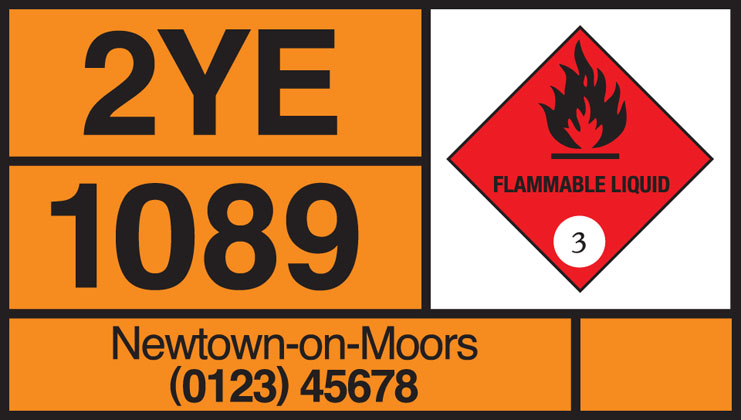
The panel illustrated is for flammable liquid. Diamond symbols indicating other risks include:

The panel illustrated is for flammable liquid. Diamond symbols indicating other risks include:

The above panel will be displayed by vehicles carrying certain dangerous goods in packages

The above panel will be displayed by vehicles carrying certain dangerous goods in packages

Toxic substance
Toxic substance

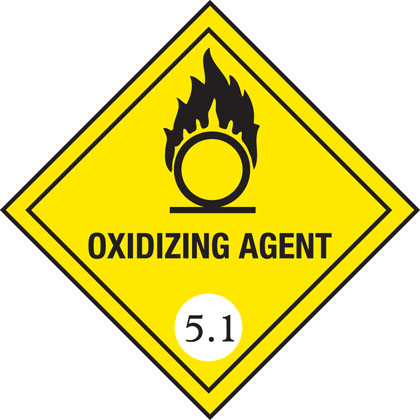
Oxidizing substance

Oxidizing substance

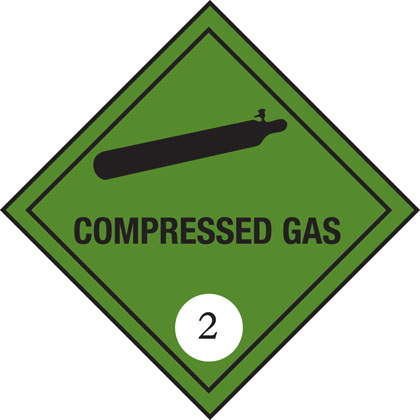
Non-flammable compressed gas
Non-flammable compressed gas

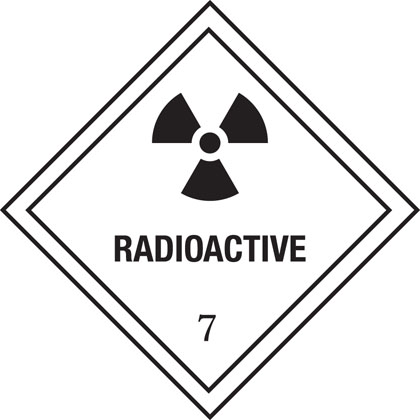
Radioactive substance
Radioactive substance

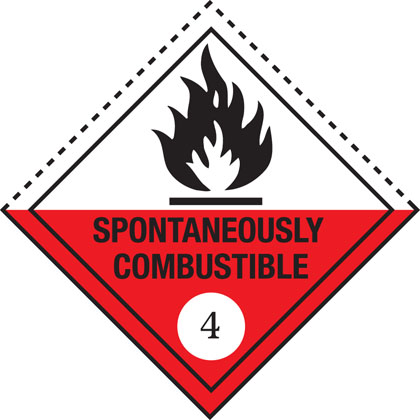
Spontaneously combustible substance
Spontaneously combustible substance

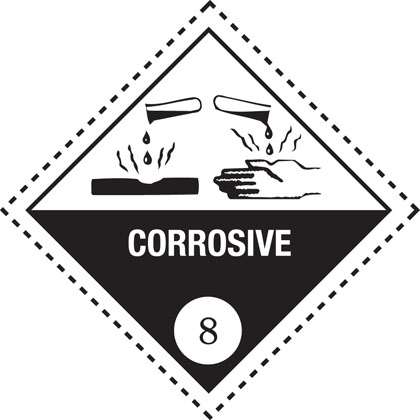
Corrosive substance

Corrosive substance

Projections markers

Side marker

Side marker

End marker

End marker

Both required when load or equipment (eg crane jib) overhangs front or rear by more than two metres

Other
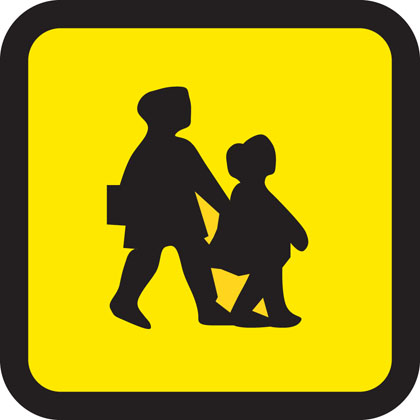
School bus (displayed in front or rear window of bus or coach)

School bus (displayed in front or rear window of bus or coach)

Author's Explanation

Vehicle Markings Explained

Vehicle markings provide important safety information to other road users. They help identify large vehicles, dangerous goods, unusual loads and vehicles that may require extra care when approaching or passing.

Large goods vehicles and trailers must display specific rear markings so that their size and presence are easier to recognise, especially at night or in poor visibility. These markings help drivers judge distances and avoid unsafe overtaking manoeuvres.

Hazard warning plates and projection markers give advance information about potential dangers. Drivers should understand these signs and adjust their speed and position when approaching vehicles carrying dangerous substances or oversized loads.


Real-Life Examples

Example 1: A driver approaching a large goods vehicle with rear markings keeps a safe distance because the vehicle may need more space to manoeuvre or stop.

Example 2: A motorist sees hazard warning plates on a tanker and avoids unnecessary stopping close to the vehicle.

Example 3: A driver notices a vehicle carrying an overhanging load with projection markers and gives it extra space when passing.

Example 4: A driver recognises a school bus marking and takes extra care because children may be getting on or off the vehicle.


Frequently Asked Questions

Why do large goods vehicles have special rear markings?

Rear markings make large vehicles easier to identify, especially in darkness, poor weather and heavy traffic conditions.

What do hazard warning plates show?

Hazard warning plates identify vehicles carrying dangerous goods and show the type of risk involved, such as flammable, toxic or corrosive substances.

When are projection markers required?

Projection markers are required when loads or equipment extend more than two metres beyond the front or rear of a vehicle.

How should drivers react to vehicles carrying dangerous goods?

Drivers should keep a safe distance, avoid unnecessary risks and be aware that these vehicles may require special handling in emergencies.