Signals by authorised persons
Signals used by authorised persons, including police officers, arm signals to persons controlling traffic, Driver and Vehicle Standards Agency officers and traffic officers and school crossing patrols.
Police officers
Stop
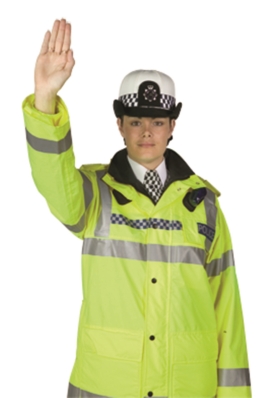
Traffic approaching from the front
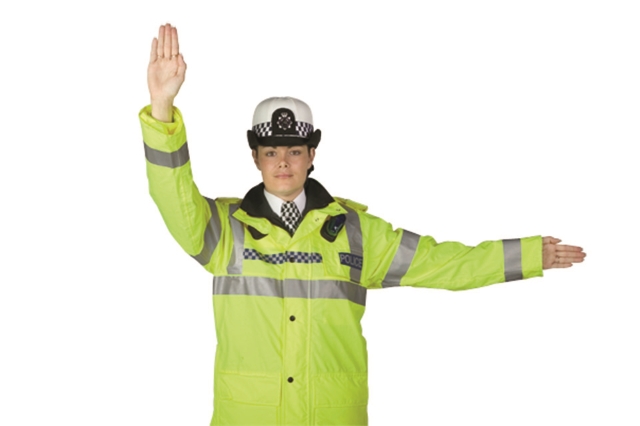
Traffic approaching from both front and behind
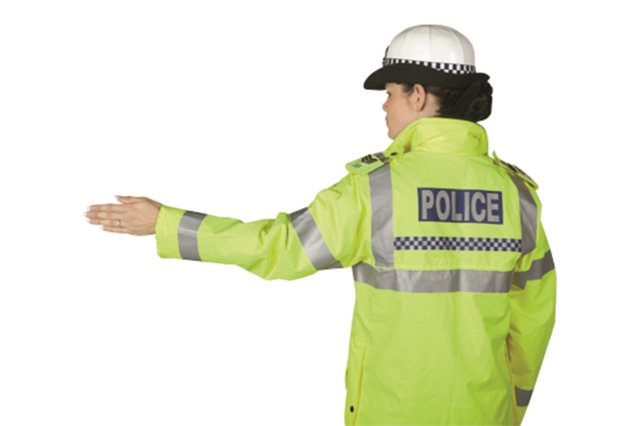
Traffic approaching from behind
To beckon traffic on
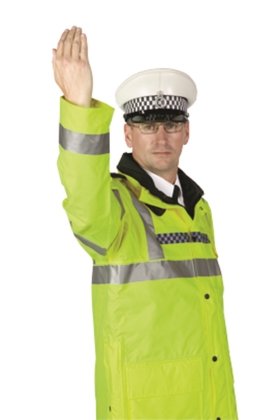
From the side
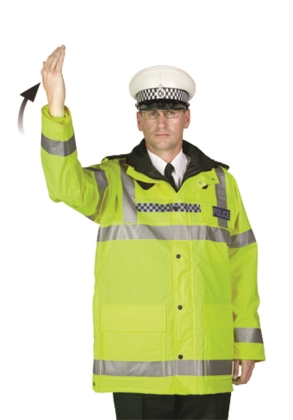
From the front
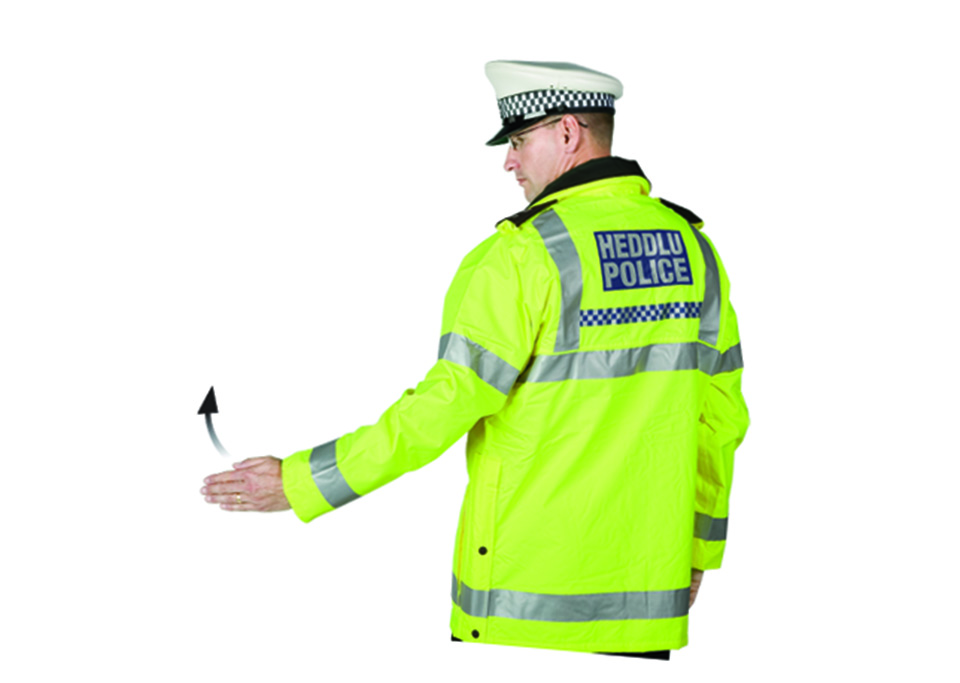
From behind*
*In Wales, bilingual signs appear on emergency services vehicles and clothing
Arm signals to persons controlling traffic
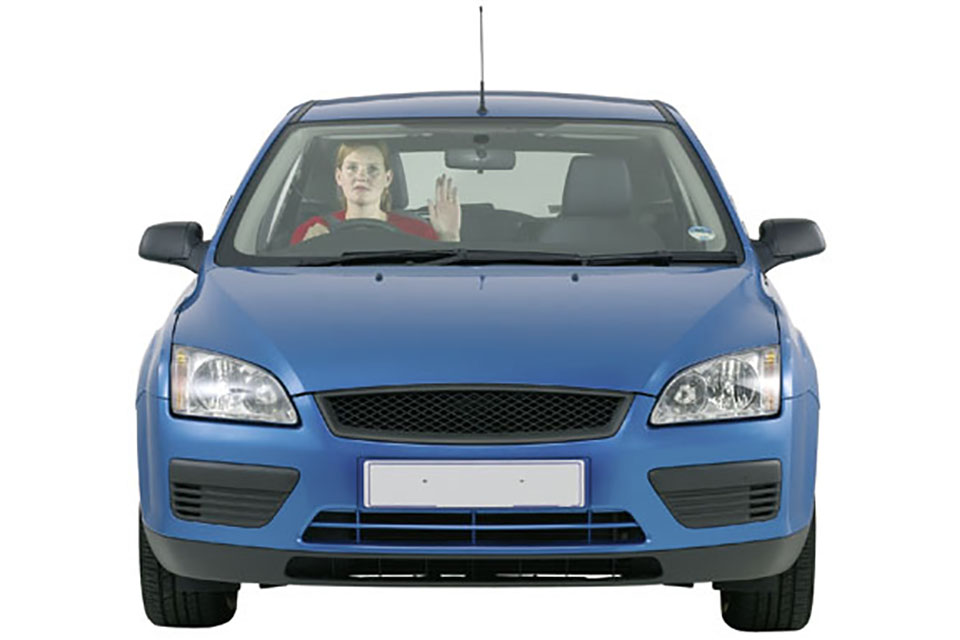
I want to go straight on
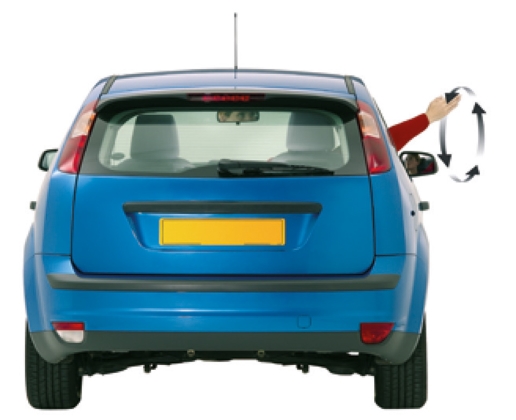
I want to turn left; use either hand
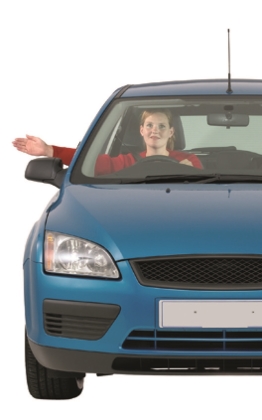
I want to turn right
Driver and Vehicle Standards Agency officers and traffic officers
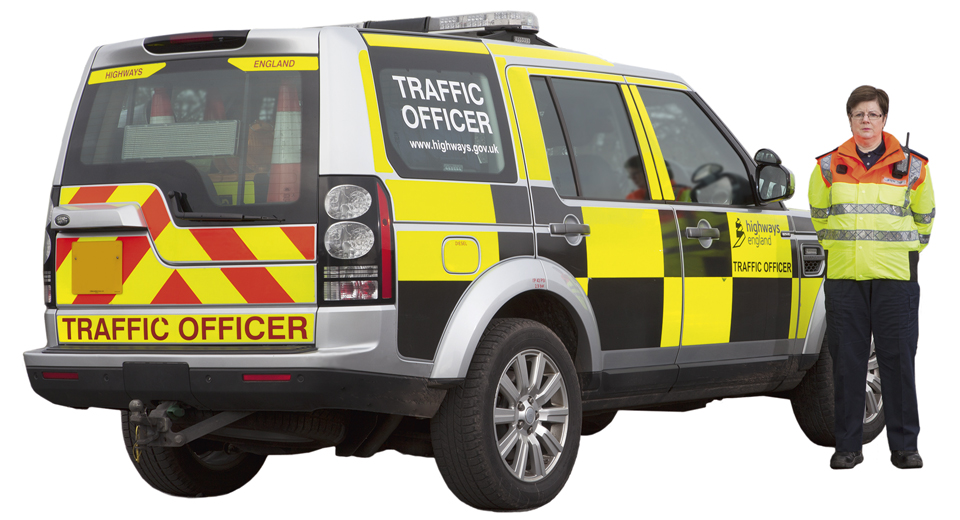
Traffic officer
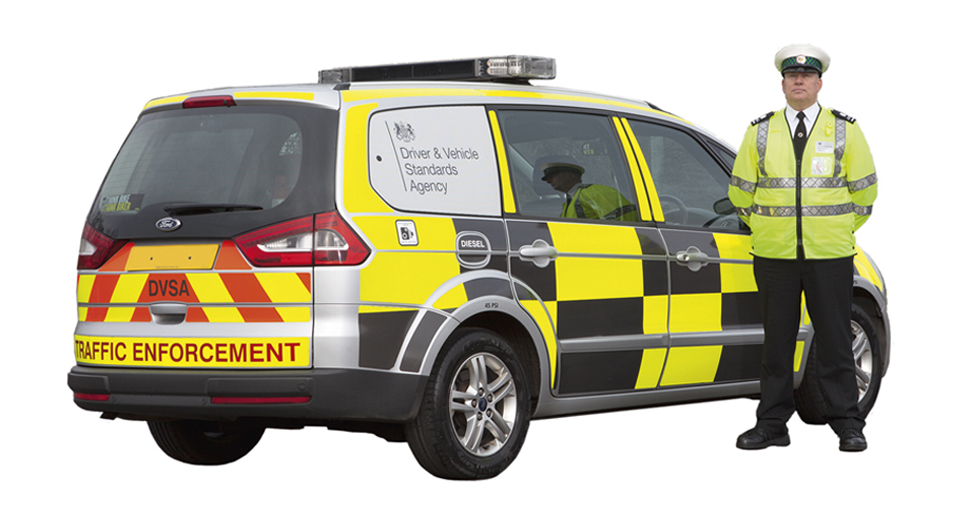
DVSA officer
These officers now have new powers to stop/direct vehicles and will be using hand signals and light signals similar to those used by police. You MUST obey any signals given (see Rules 107 and 108).
School crossing patrols
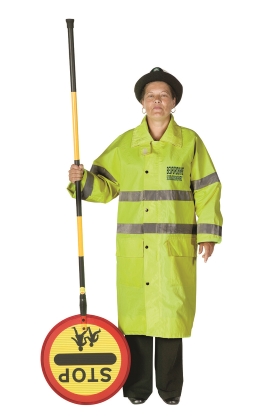
Not ready to cross pedestrians

Barrier to stop pedestrians crossing
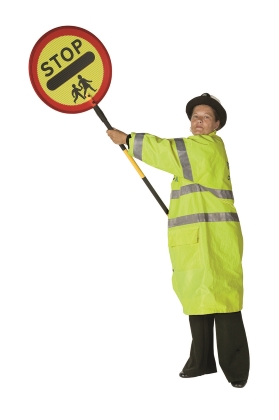
Ready to cross pedestrians, vehicles must be prepared to stop
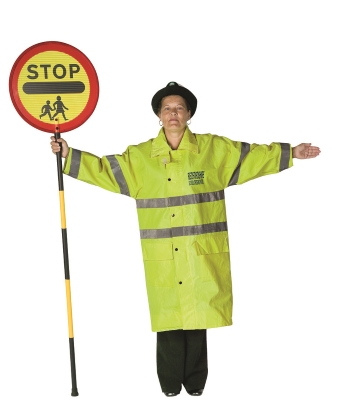
All vehicles must stop
Author's Explanation
Signals by Authorised Persons Explained
Authorised persons can control traffic when normal signs and signals are not enough. Police officers, traffic officers, DVSA officers and school crossing patrols use hand signals to manage traffic flow and protect road users.
Drivers must obey signals given by authorised persons, even if traffic lights or road signs show a different instruction. These signals take priority because they are used during situations such as emergencies, traffic control, inspections or pedestrian crossings.
Police officers and traffic officers may stop or direct vehicles using hand signals or lights. School crossing patrols also have authority to stop traffic to allow pedestrians, especially children, to cross safely.
Real-Life Examples
Example 1: A police officer raises a hand to stop traffic and a driver waits even though the traffic light is green.
Example 2: A traffic officer directs vehicles around an accident scene and drivers follow the officer’s instructions.
Example 3: A school crossing patrol enters the road and signals for vehicles to stop while children cross safely.
Example 4: A DVSA officer gives a stopping signal during a vehicle inspection and the driver pulls over safely.
Frequently Asked Questions
Do police signals override traffic lights?
Yes. Drivers must follow instructions from police officers even when they differ from traffic lights or road signs.
Who can legally direct traffic?
Police officers, traffic officers, DVSA officers and school crossing patrols can use signals to control traffic.
Must drivers stop for school crossing patrols?
Yes. Drivers must stop when instructed by a school crossing patrol and wait until it is safe to continue.
Can traffic officers stop vehicles?
Yes. Traffic officers and DVSA officers have powers to stop and direct vehicles using approved signals.