Direction signs on roads and motorways

Mostly rectangular

Signs on motorways - blue backgrounds

At a junction leading directly into a motorway (junction number may be shown on a black background)
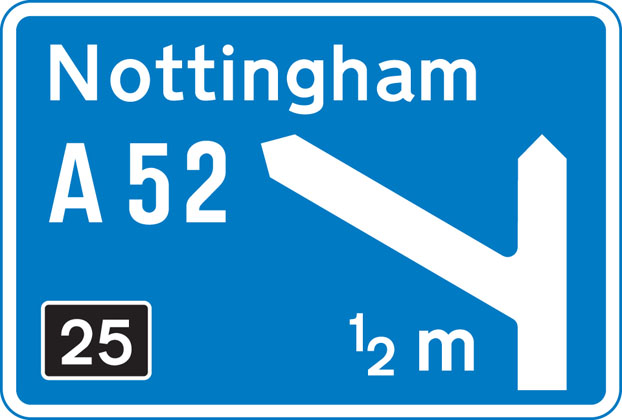
At a junction leading directly into a motorway (junction number may be shown on a black background)

On approaches to junctions (junction number on black background)
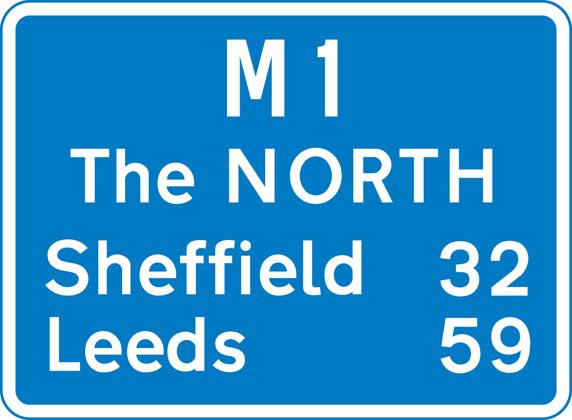
On approaches to junctions (junction number on black background)

Route confirmatory sign after junction

Route confirmatory sign after junction

Downward pointing arrows mean ‘Get in lane’ The left-hand lane leads to a different destination from the other lanes.

Downward pointing arrows mean ‘Get in lane’ The left-hand lane leads to a different destination from the other lanes.

The panel with the inclined arrow indicates the destinations which can be reached by leaving the motorway at the next junction

The panel with the inclined arrow indicates the destinations which can be reached by leaving the motorway at the next junction

Signs on primary routes - green backgrounds

Blue panels indicate that the motorway starts at the junction ahead. Motorways shown in brackets can also be reached along the route indicated. White panels indicate local or non-primary routes leading from the junction ahead. Brown panels show the route to tourist attractions. The name of the junction may be shown at the top of the sign. The aircraft symbol indicates the route to an airport. A symbol may be included to warn of a hazard or restriction along that route.
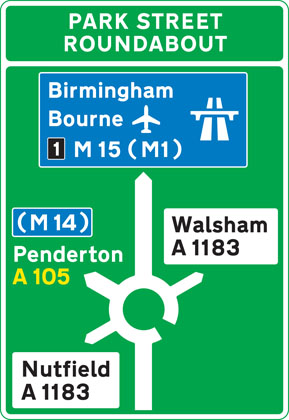
On approaches to junctions

On approaches to junctions

At the junction
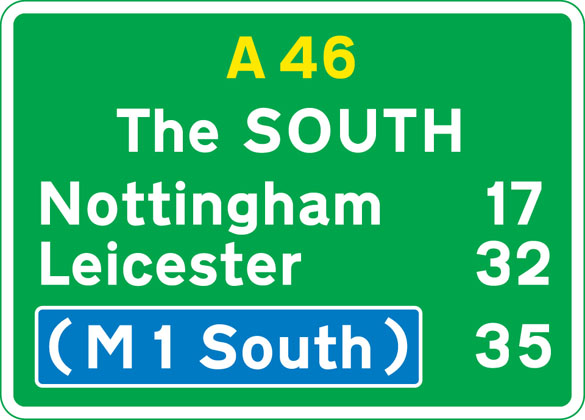
At the junction

Route confirmatory sign after junction
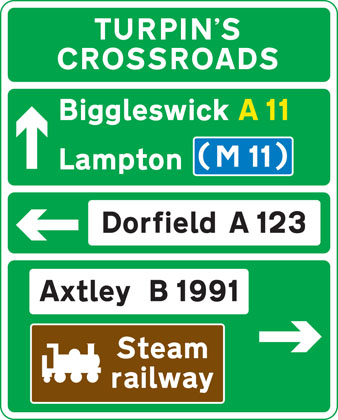
Route confirmatory sign after junction

On approaches to junctions
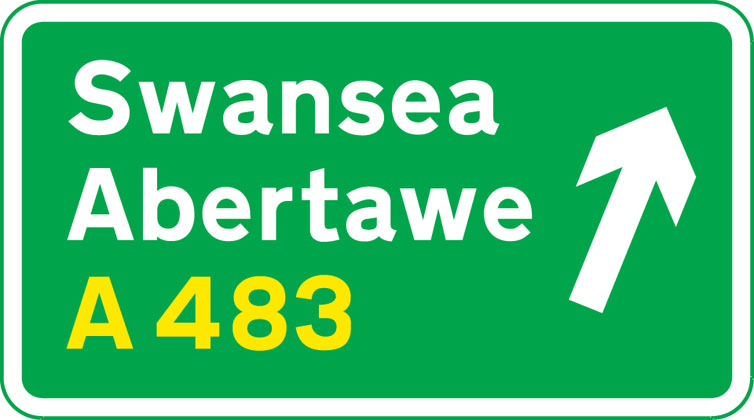
On approaches to junctions

On approach to a junction in Wales (bilingual)

On approach to a junction in Wales (bilingual)

Primary route forming part of a ring road

Primary route forming part of a ring road

Primary route forming part of a ring road

Primary route forming part of a ring road

Signs on non-primary and local routes - black borders

Green panels indicate that the primary route starts at the junction ahead. Route numbers on a blue background show the direction to a motorway. Route numbers on a green background show the direction to a primary route.

On approaches to junctions
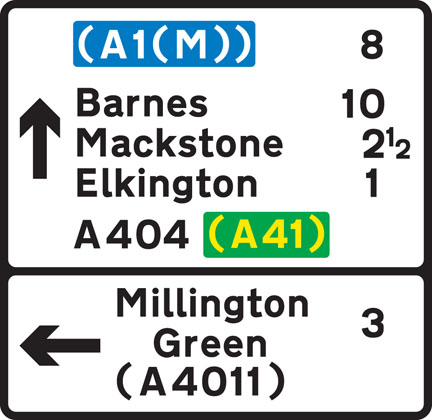
On approaches to junctions

On approaches to junctions

On approaches to junctions

At the junction
At the junction

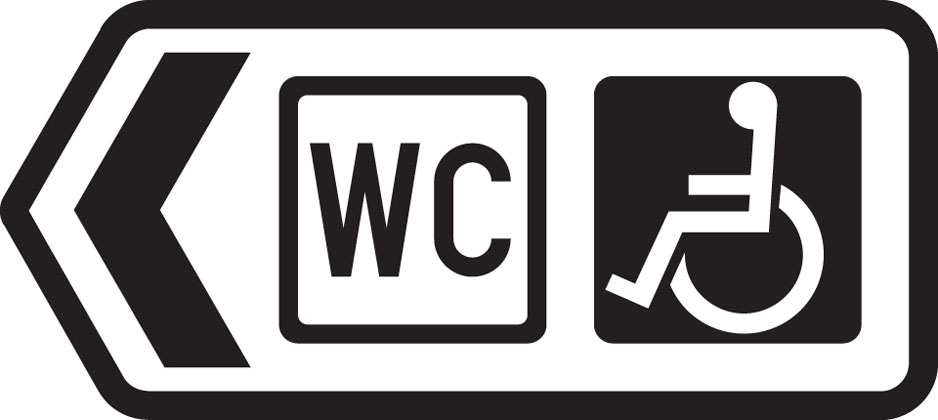
Direction to toilets with access for the disabled

Direction to toilets with access for the disabled

Other direction signs
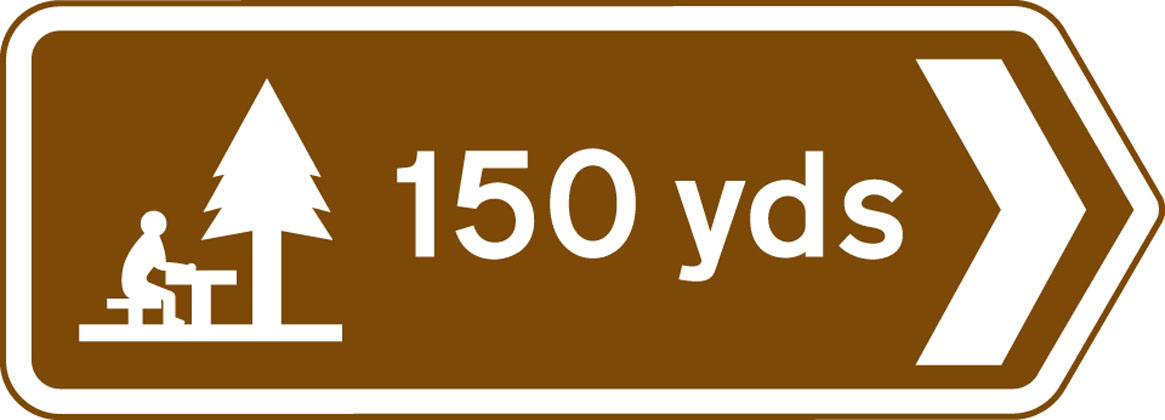
Picnic site
Picnic site

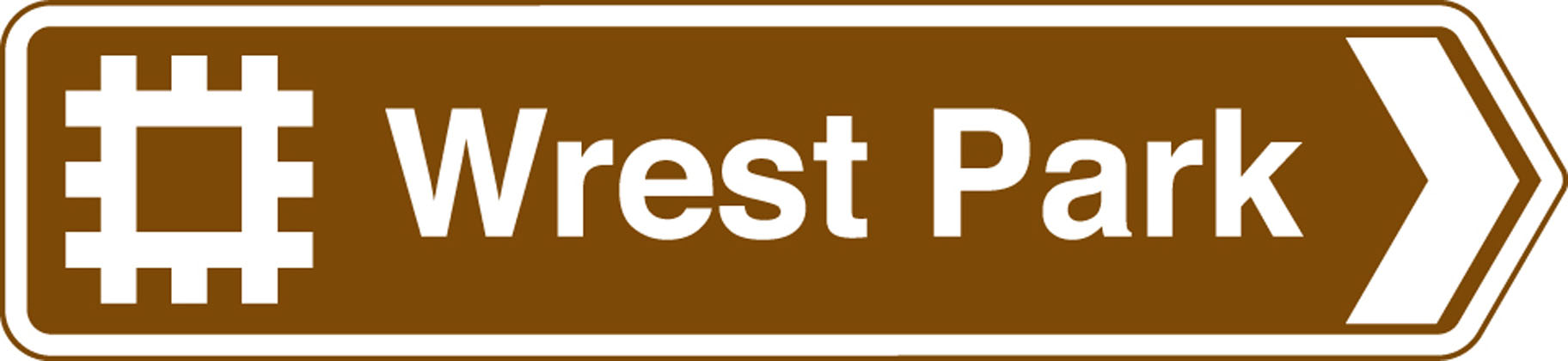
Ancient monument in the care of English Heritage
Ancient monument in the care of English Heritage

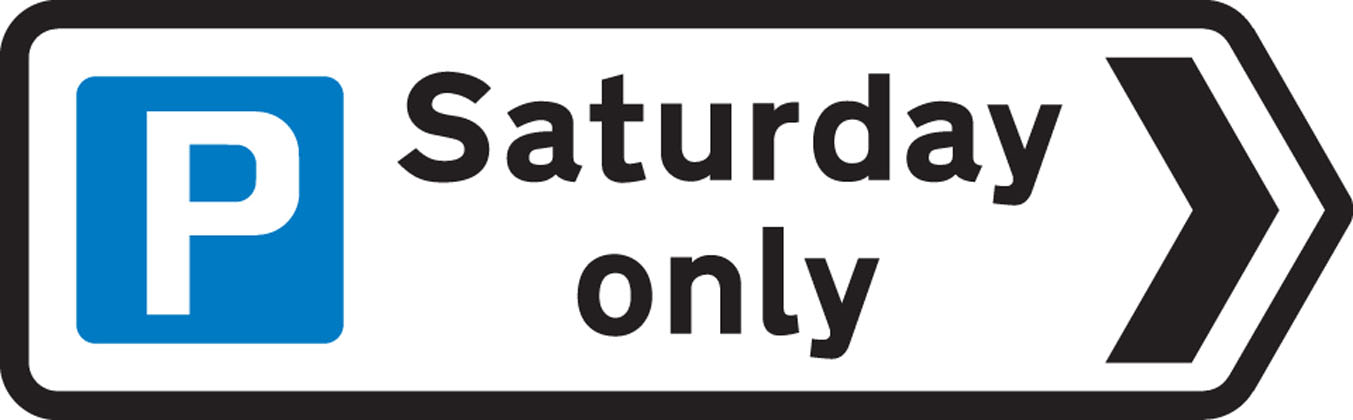
Direction to a car park
Direction to a car park

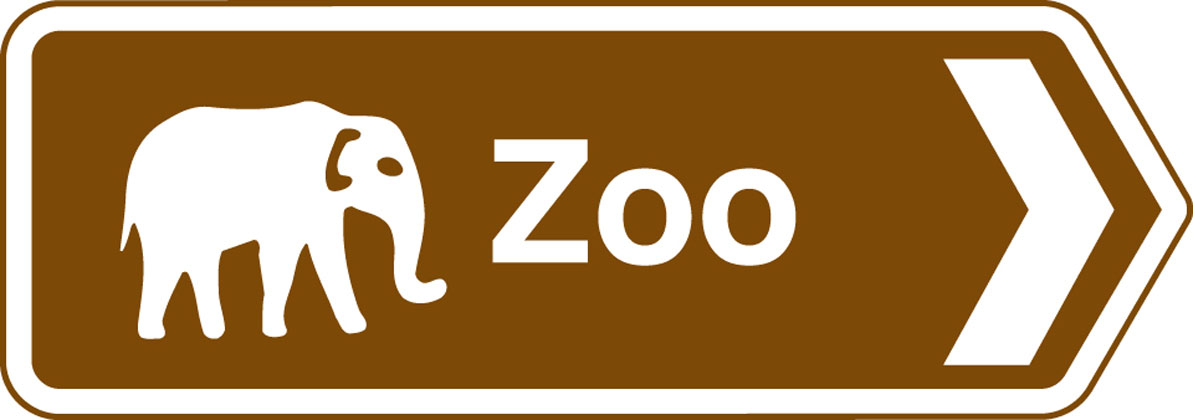
Tourist attraction
Tourist attraction

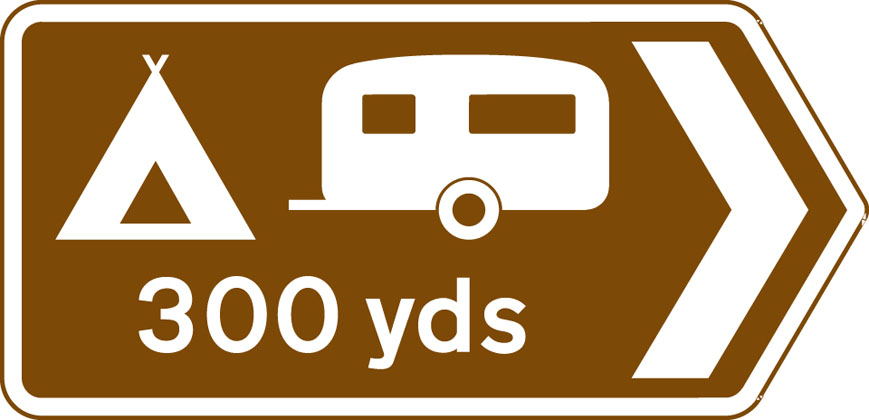
Direction to camping and caravan site
Direction to camping and caravan site

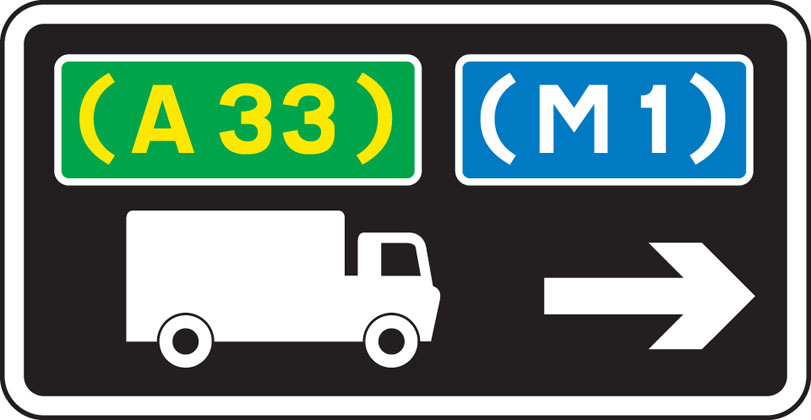
Advisory route for lorries
Advisory route for lorries

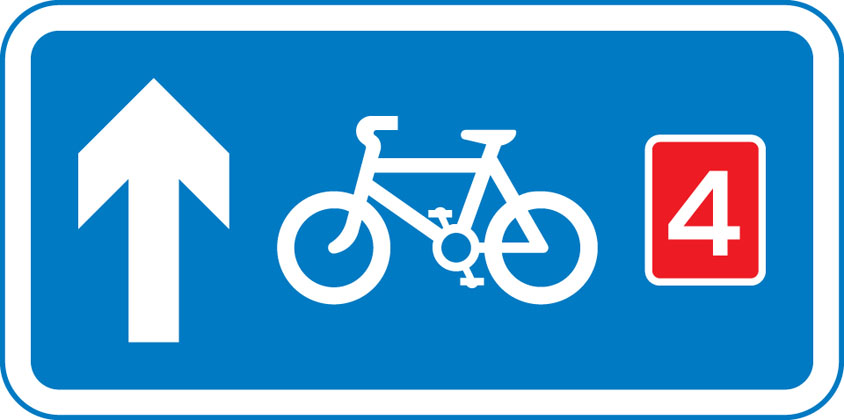
Route for pedal cycles forming part of a network

Route for pedal cycles forming part of a network

Recommended route for pedal cycles to place shown
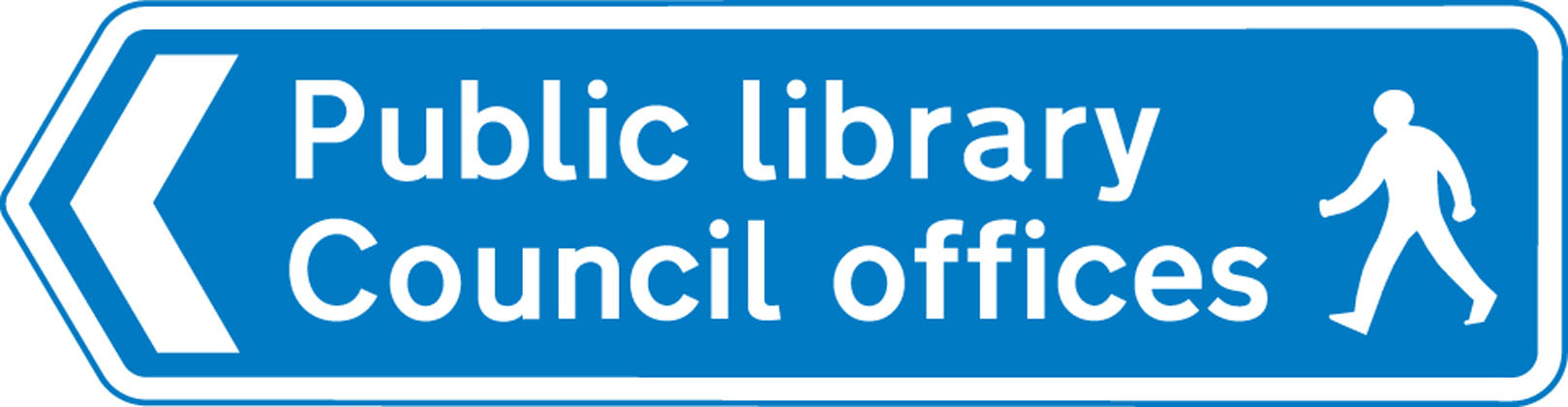
Recommended route for pedal cycles to place shown

Route for pedestrians

Route for pedestrians

Symbols showing emergency diversion route for motorway and other main road traffic

Symbols showing emergency diversion route for motorway and other main road traffic
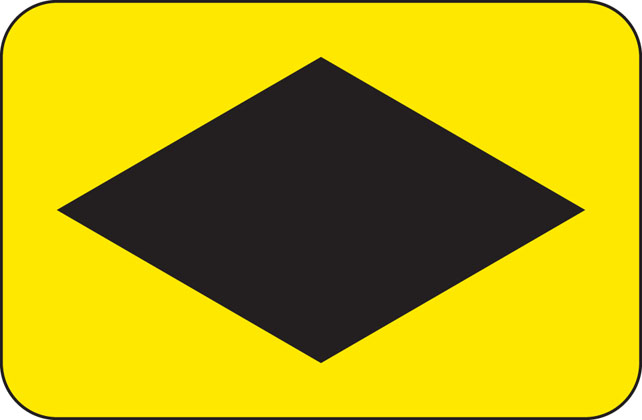
Symbols showing emergency diversion route for motorway and other main road traffic

Symbols showing emergency diversion route for motorway and other main road traffic

Symbols showing emergency diversion route for motorway and other main road traffic

Symbols showing emergency diversion route for motorway and other main road traffic

Symbols showing emergency diversion route for motorway and other main road traffic

Symbols showing emergency diversion route for motorway and other main road traffic

Diversion route

Diversion route

Author's Explanation

Direction Signs on Roads and Motorways Explained

Direction signs help drivers choose the correct route, prepare for junctions and understand where different roads lead. The colour and layout of signs provide important information about the type of road, destinations and possible restrictions ahead.

Motorway direction signs normally have blue backgrounds, while primary routes use green backgrounds. White, brown and other coloured panels are used to show local destinations, tourist attractions and specific facilities. Drivers should read signs early and move into the correct lane before reaching a junction.

Lane arrows, route numbers and destination panels help drivers make safe decisions. A downward arrow means drivers should get into the correct lane, while an inclined arrow panel shows destinations reached by leaving the motorway at the next junction.


Real-Life Examples

Example 1: A driver approaching a motorway junction checks the blue direction signs early and moves into the correct lane before the exit.

Example 2: A driver follows a green primary route sign and understands that a blue panel indicates a motorway connection ahead.

Example 3: A driver sees a brown panel showing a tourist attraction and follows the sign without making sudden lane changes.

Example 4: A driver notices a diversion symbol and follows the signed alternative route during a road closure.


Frequently Asked Questions

What do blue motorway signs mean?

Blue direction signs are used for motorways and provide information about motorway routes, junctions and destinations.

What do downward arrows on direction signs mean?

Downward arrows mean drivers should get into the correct lane for their intended destination before reaching the junction.

What do different sign colours show?

Blue signs indicate motorways, green signs show primary routes, white panels show local routes, and brown panels usually show tourist attractions.

When should drivers read direction signs?

Drivers should check signs early enough to choose the correct lane safely and avoid last-minute manoeuvres near junctions.