Signals to other road users
Signals used to other road users, including direction indicator signals, brake light signals, reversing light signals and arm signals.
Direction indicator signals
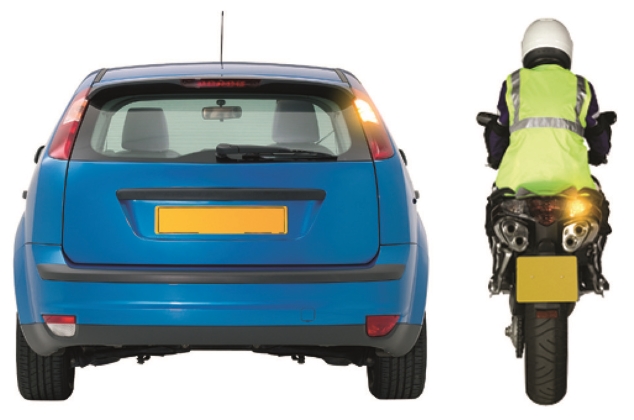
I intend to move out to the right or turn right
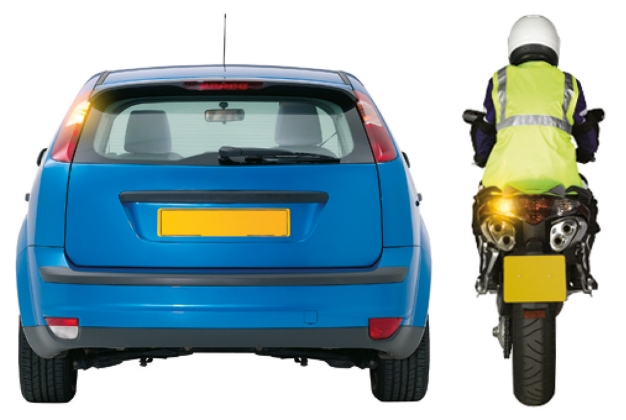
I intend to move in to the left or turn left or stop on the left
These signals should not be used except for the purpose described.
Brake light signals
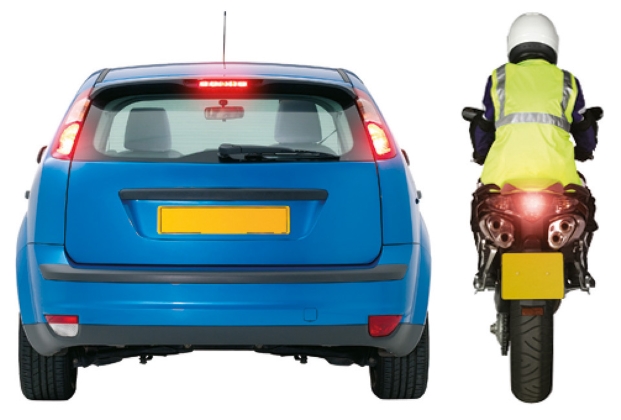
I am applying the brakes
This signal should not be used except for the purpose described.
Reversing light signals

I intend to reverse
This signal should not be used except for the purpose described.
Arm signals
For use when direction indicator signals are not used, or when necessary to reinforce direction indicator signals and stop lights. Also for use by pedal cyclists and those in charge of horses.
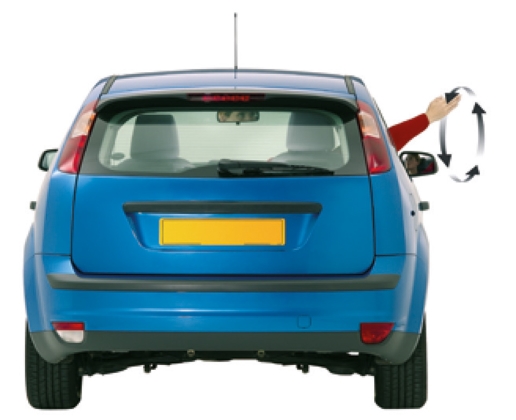
I intend to move in to the left or turn left
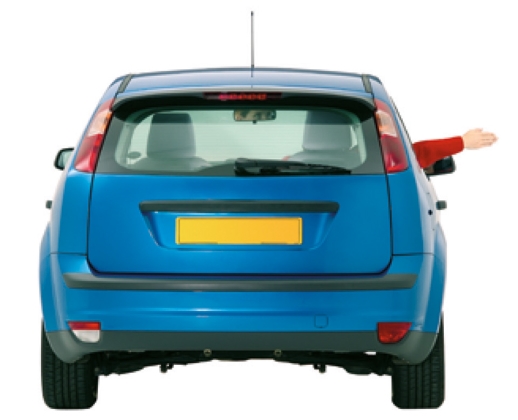
I intend to move out to the right or turn right
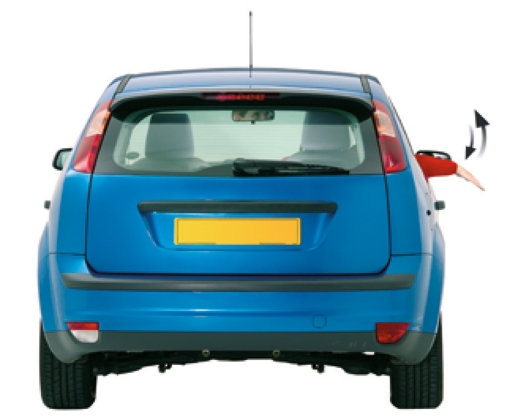
I intend to slow down or stop
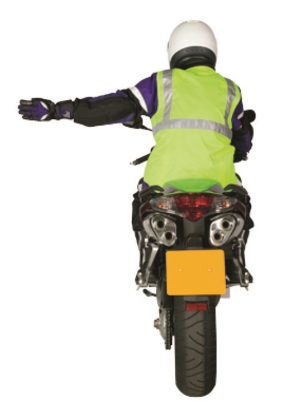
I intend to move in to the left or turn left
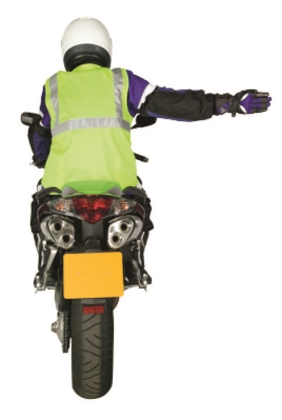
I intend to move out to the right or turn right
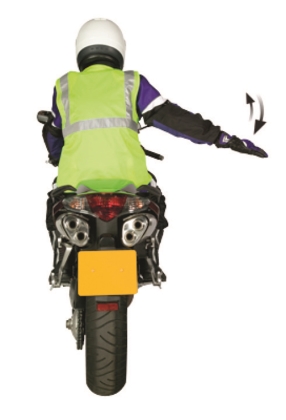
I intend to slow down or stop
These signals should not be used except for the purpose described.
Hazard lights
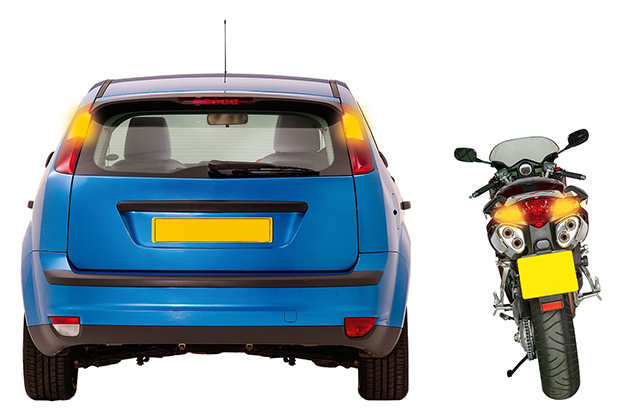
I am temporarily obstructing traffic or warning of a hazard or obstruction ahead (see Rule 116)
Author's Explanation
Signals to Other Road Users Explained
Signals help drivers communicate their intentions to other road users. Using indicators, brake lights, reversing lights and arm signals correctly allows others to understand what a vehicle is about to do and react safely.
Direction indicators should only be used when changing direction, moving position or stopping. Drivers should not signal unnecessarily because incorrect signals can confuse other road users and create dangerous situations.
Brake lights, reversing lights and hazard warning lights also provide important information. Drivers should understand these signals and use them only for their intended purpose, especially when warning others about hazards or temporary obstructions.
Real-Life Examples
Example 1: A driver indicates right before changing lanes so vehicles behind understand the intended movement.
Example 2: A driver uses brake lights when slowing down, warning following traffic to reduce speed.
Example 3: A cyclist uses an arm signal before turning because they may not have vehicle indicators available.
Example 4: A driver switches on hazard lights temporarily after stopping because of a breakdown or obstruction ahead.
Frequently Asked Questions
When should drivers use direction indicators?
Drivers should use indicators when turning, changing lanes, moving out, moving in or stopping where other road users need to know their intention.
Should hazard lights be used while driving normally?
No. Hazard lights should only be used to warn others about a temporary obstruction, danger or when the vehicle is causing a hazard.
Why are brake lights important?
Brake lights warn drivers behind that a vehicle is slowing down, helping them react in time and maintain a safe distance.
Can arm signals still be used on the road?
Yes. Arm signals may be used when indicators are unavailable or when cyclists, horse riders or other road users need to communicate their intentions.